
0
Home Cupping
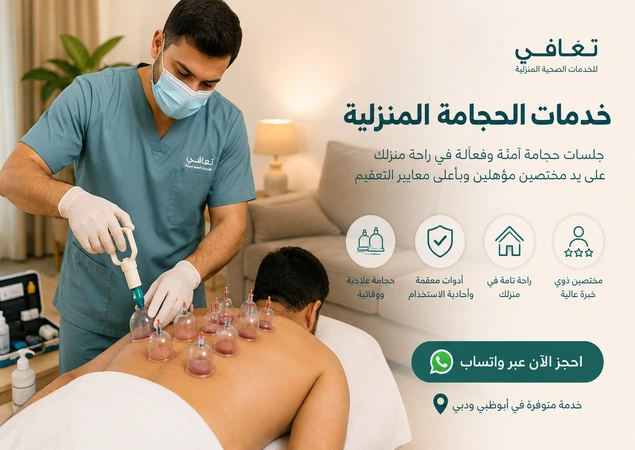
Taafaa Home Healthcare provides home cupping sessions through a structured process that starts with reviewing the client’s health status and checking whether the procedure is appropriate. The session is then prepared and performed according to the selected cupping method, with attention to hygiene, patient comfort, and safe procedure steps. After the session, the client receives practical aftercare guidance. Cupping is considered a complementary service and does not replace medical assessment or treatment when medical care is needed.
- Health and medication review with attention to factors that may affect the procedure
- Organized preparation of the treatment area and required equipment
- Cupping sessions selected and performed according to the client’s situation and tolerance
- Skin observation after the procedure with clear basic aftercare instructions
- Home-based care that respects privacy, comfort, and the client’s familiar environment
Why choose Taafaa for Home Cupping?
1
Assessment Before the Procedure
- Review of relevant health conditions, medications, and factors that may affect the session
- Attention to situations that may require postponement or medical review before cupping
- Session planning based on the available health information and the client’s needs
2
Structured and Safe Session
- Preparation of the treatment area and equipment before the session begins
- Attention to skin and equipment hygiene according to the type of cupping performed
- Observation of the client’s response throughout the session
3
Privacy and Comfort at Home
- The session is delivered in a familiar home environment without the need to travel
- Privacy is respected and a suitable space is prepared before the procedure
- The session steps are explained clearly before and during the procedure
4
Clear Aftercare Guidance
- Practical guidance for caring for the treated skin after the session
- Explanation of expected temporary skin marks and signs that may require medical review
- Guidance to seek medical assessment if unusual or severe symptoms develop
Taafaa Home Care Service Indicators
Home cupping is delivered within a broader home healthcare system that starts by understanding the client’s needs and reviewing relevant health information, followed by organized session delivery and aftercare guidance. Taafaa provides six home healthcare services across Abu Dhabi and Dubai.
0
Cities Covered
0
Key Service Benefits
0
Common Guidance Questions
Frequently Asked Questions About Home Cupping
How is a client’s health reviewed before a home cupping session?
The session begins with a review of relevant health information, including chronic conditions, current medications, and factors that may affect the procedure. Based on this information, the session can be considered appropriate or medical advice may be recommended first.
Which health conditions may require postponing cupping or medical advice first?
The decision depends on the client’s health status, medications, and the type of cupping planned. Conditions such as bleeding disorders, medicines that affect clotting, or an acute health problem may require medical assessment or postponement until the procedure is considered appropriate.
How is the home treatment area prepared before cupping?
A suitable and quiet area is selected so the session can be performed comfortably. The required equipment and materials are prepared before starting, and attention is given to skin hygiene and the procedure steps appropriate to the type of cupping being performed.
What is the difference between dry cupping and wet cupping?
Dry cupping uses cups to create suction on the skin without making skin incisions. Wet cupping includes additional steps that allow a small amount of blood to be removed. The appropriate approach depends on the client’s situation and whether the procedure is suitable, rather than assuming one method is right for everyone.
Which skin changes are expected after a cupping session?
Circular marks or temporary changes in skin color may appear where the cups were applied, and their duration varies from person to person. Severe pain, increasing swelling, spreading redness, or unusual discharge should be medically assessed rather than treated as a normal post-session effect.
What aftercare is needed for the skin after home cupping?
Aftercare depends on the type of cupping and the condition of the skin after the procedure. The client receives guidance appropriate to the session, including keeping the treated areas clean, avoiding unnecessary irritation, and monitoring for unusual changes that may require medical assessment.
How are chronic conditions and medications considered when booking cupping?
Clients should disclose chronic conditions and current medications before the session, especially medicines that affect bleeding or clotting. No medication should be stopped without medical advice. If the health history raises a concern, medical clearance may be recommended before the procedure.
What should a client do if unusual symptoms appear after cupping?
The symptoms should be assessed according to their type and severity instead of automatically being considered a normal response. Persistent bleeding, severe pain, signs of infection, marked dizziness, or any concerning symptom should prompt appropriate medical care, with urgency based on the severity of the condition.
Book a Home Cupping Session Start with a health review and a clearly organized session
×
![QR Code]()